
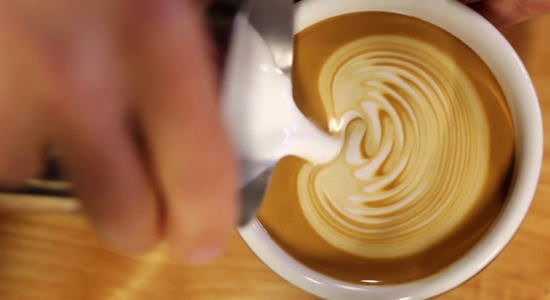
How to Make Great Latte Art
Latte art can make even a simple flat white or cappuccino look the part, but getting that clean heart, rosetta or tulip takes a bit of practice.
The good news is that the basics are fairly simple. You need well-textured milk, a good espresso base and a steady pour.
Start with the milk
The biggest mistake when learning latte art is creating milk that is too foamy.
For latte art, you are looking for smooth, glossy microfoam with very small bubbles. The finished milk should have a texture similar to wet paint rather than stiff cappuccino foam.
A few tips:
- Start with cold milk and a cold milk jug.
- Keep the steam wand just below the surface while introducing air.
- Once you've added enough air, position the wand slightly deeper to create a whirlpool.
- Tap the jug gently and swirl the milk before pouring to remove any larger bubbles.
Get the espresso right
Pour your espresso shortly before you are ready to add the milk.
A fresh crema gives you a better surface to pour into and helps create stronger contrast between the coffee and the white milk pattern.
Give the cup a small swirl before pouring so the crema is even across the surface.
How to pour latte art
Start pouring slowly from slightly higher above the cup. This allows the milk to sink beneath the crema and mix with the espresso.
As the cup begins to fill:
- Bring the milk jug closer to the surface.
- Increase the flow slightly.
- Pour into the centre of the cup.
- Once the white microfoam begins appearing on the surface, move the jug to create your pattern.
- Finish by lifting the jug slightly and pouring a thin stream through the design.
For your first attempts, concentrate on producing a simple heart. Once you can do that consistently, move on to tulips and rosettas.
Watch the technique
Sometimes it is much easier to understand latte art by watching the pouring technique rather than reading about it.
The video below is one of the latte art tutorials we originally shared on the Next Day Coffee blog and is still a useful demonstration of milk texture and pouring technique.
Don't worry if the first few look terrible
They probably will.
Good latte art comes from repeatedly getting three things right: the espresso, the milk texture and the height and speed of your pour.
Even when the finished pattern isn't perfect, learning to produce consistently smooth microfoam will improve the texture of your cappuccinos, flat whites and lattes.
Latte art troubleshooting
If your latte art is not quite working, the problem is usually the milk texture, pouring height or timing.
My milk is too foamy
If the milk is thick and sits on top of the coffee rather than flowing into it, you have probably introduced too much air while steaming. For latte art, aim for fine, glossy microfoam rather than stiff foam.
My milk has large bubbles
Large bubbles usually mean too much air has been introduced or the steam wand has been sitting too close to the surface for too long. Tap the jug gently on the worktop and swirl the milk before pouring to help remove them.
The white pattern will not appear
If the milk disappears straight into the coffee, your jug may be too high above the cup. Start slightly higher to mix the milk with the espresso, then bring the spout much closer to the surface when you want the white pattern to form.
The milk just sits on top
This normally means the milk is too thick or you are pouring too slowly. Smooth microfoam should flow easily from the jug and blend with the espresso before forming the design on the surface.
My pattern looks blurry or messy
Make sure the milk is still moving and glossy before you pour. If it has been sitting for too long, the foam and liquid can begin to separate. Give the jug a firm swirl immediately before pouring.
My heart will not form properly
Keep the pour simple. Pour into the centre until a round white shape forms, then lift the jug slightly and draw a thin stream through the middle. Once you can make a consistent heart, move on to more complicated patterns.
What you'll need
For practising latte art, the essentials are:
- Fresh coffee beans
- An espresso machine with a steam wand
- A stainless steel milk frothing jug
- Fresh milk or a suitable barista-style milk alternative
- A wide coffee cup that gives you enough surface area to pour your design
Once you have the milk texture sorted, the rest is mostly practice.
 AGE RESTRICTED